

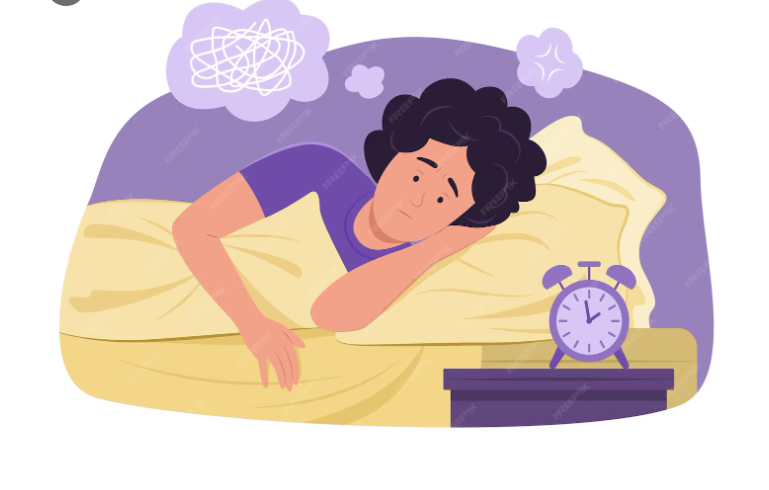
Sleep is a vital physiological process essential for physical health, emotional stability, and cognitive functioning. Disturbances in sleep can affect memory, attention, learning, and overall well-being. For psychology students preparing for the UGC NET Exam, understanding sleep disorders is crucial under the domain of Clinical Psychology and Psychopathology.
TYPES OF SLEEP DISORDERS
Important primary sleep disorders (not caused by any medical condition, though can be comorbid with them) from examination point of view include the following:-
1. Parasomnias
If during sleep, abnormal events or behaviours take place, then the disorder falls under this category. Parasomnias are further divided into-
- NREM (Non-REM) Parasomnias
These occur during deep sleep (NREM 3) and the person usually has no recollection of the events that take place during this time such as-
- Sleepwalking (Somnambulism)
- Sleep terrors
- Confusional arousals
- REM Parasomnias
As the name suggests, these occur during the stage of rapid eye movement. The disorders that fall under this category include-
- Nightmare Disorders
- REM Sleep Behaviour Disorders (physically acting out dreams)
- Recurrent Isolated Sleep Paralysis (repeated episodes of transient inability to move or speak at sleep–wake transitions)
- Other Parasomnias
There are some other parasomnias apart from those included in NREM and REM stages of sleep which include-
- Sleep Enuresis (bedwetting)
- Sleep-related Groaning
- Sleep-related Eating Disorder
- Exploding Head Syndrome
- Sleep-related Dissociative Disorders
For the UGC NET exam, major focus is on parasomnias which are categorised under the NREM and REM stages of sleep.
2. Dyssomnias
The characteristic feature of dyssomnias is that there is difficulty experienced in falling asleep, staying asleep, or excessive sleep.
- Insomnia
It is the persistent difficulty in initiating or maintaining sleep which ultimately results in daytime impairment.
- Sleep Apnea
In this, there are repeated pauses in breathing, which can be either due to airway obstruction or central nervous control failure. It has two sub-types-
1. Obstructive Sleep Apnea (OSA)
As the name suggests, breathing stops during sleep because of some physical blockage of the upper airway.
2. Central Sleep Apnea (CSA)
Here, breathing repeatedly stops because the brain fails to send proper signals to the respiratory system muscles.
- Narcolepsy
A sleep disorder in which a person experiences sudden and uncontrollable sleep episodes often associated with cataplexy. (sudden, brief loss of muscle tone)
- Hypersomnolence Disorder
An excess of daytime sleepiness is seen here, despite adequate or prolonged sleep during the night.
- Circadian Rhythm Sleep-Wake Disorders
It is essentially the misalignment between the body’s internal clock and environmental sleep-wake demand, which ultimately leads to sleep timing problems.
These were the main sleep disorders that have been included in questions in the past. For the exam, it is imperative to understand and then memorise the distinction between the types of primary sleep disorders and categories into which they are further classified.
Blog By : Avantika Sharma